Marine sediment cores: Understanding the geology Beneath the ocean
Marine geology plays an essential role in understanding the Earth’s geological history and the evolution of ocean environments. Through oceanographic research, scientists investigate the composition, structure and characteristics of sediments deposited on the seafloor over thousands or even millions of years.
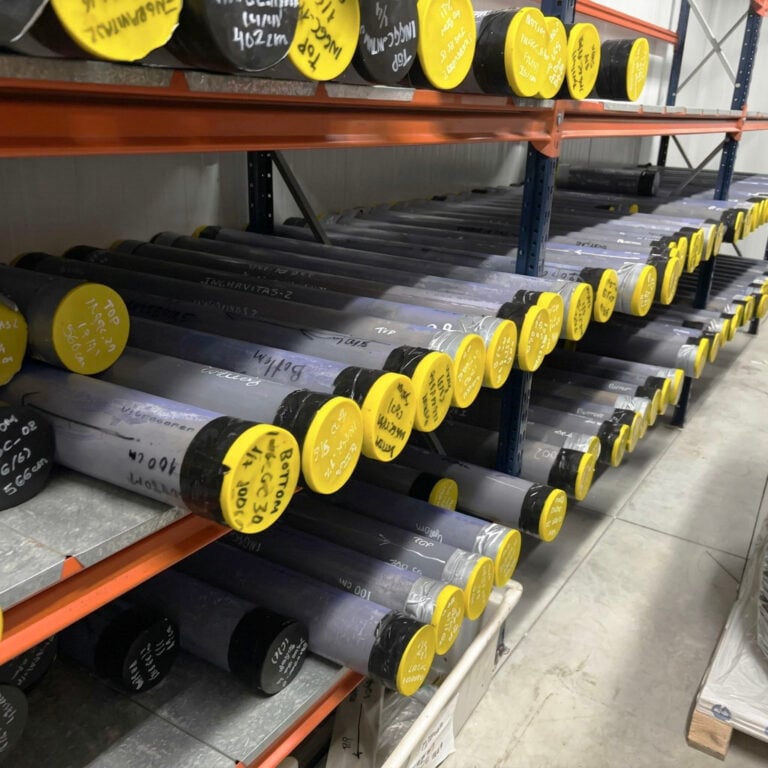
One of the most important tools in marine research is the sediment core. Collected from the ocean floor using specialized sampling systems, these cylindrical samples preserve successive layers of marine sediments, providing a valuable record of past geological and environmental conditions.
Scientists use marine sediment cores to study seafloor geology, sediment composition, stratigraphy and granulometry, as well as the chemical and biological characteristics of marine environments. Each sedimentary layer can contain information about depositional processes, climate variations, ocean circulation and changes in marine ecosystems.
Unlike consolidated rock cores commonly encountered in Oil & Gas or Mining, marine sediment cores often consist of soft, water-saturated and unconsolidated materials. Their delicate structure requires particular attention during handling, splitting and subsampling to preserve the original sedimentary layers and ensure reliable scientific analysis.
As marine research and oceanographic exploration continue to develop, the preparation and preservation of sediment cores have become important aspects of geological laboratory operations, creating new technical requirements for geological sample preparation equipment.
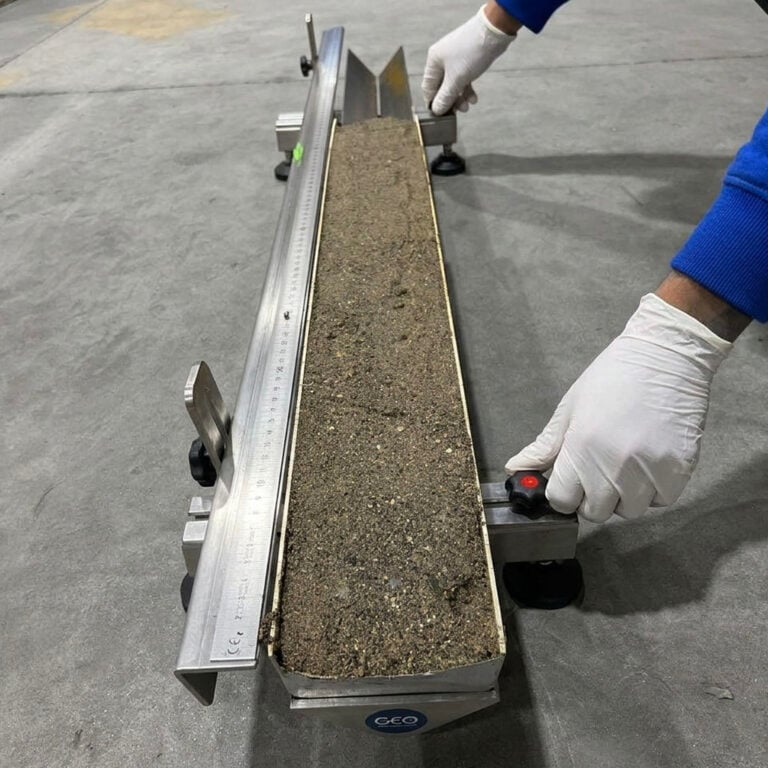
Engineering equipment for marine research vessels and laboratories
Designing sediment core preparation equipment for marine research requires particular attention to the operating environment. Unlike conventional laboratories, oceanographic research vessels present specific challenges, including limited working space, vessel movement, humidity and continuous exposure to saltwater.
Material selection is therefore an important engineering consideration. AISI 316 stainless steel, with its improved resistance to chloride-induced corrosion, is particularly suitable for marine environments. Its durability, ease of cleaning and resistance to demanding operating conditions make it a valuable material for equipment used both onboard research vessels and in oceanographic laboratories.
Ergonomics and operator safety are equally important. Equipment must provide stable support, accessible working areas and practical handling solutions, particularly when operating in confined spaces. The design should also facilitate controlled manipulation of sediment cores while minimizing unnecessary movements and the risk of disturbing delicate sedimentary layers.
Beyond preparation, sediment core preservation is essential for maintaining sample integrity. Once collected, sediment cores may require splitting, subsampling, protective wrapping or specialized packaging before storage and transport. Depending on the scientific analysis and preservation protocol, vacuum bagging solutions can also be considered to protect samples and limit exposure to external conditions.
Ultimately, effective marine sediment core handling requires equipment designed around both the geological sample and the working environment. Combining corrosion-resistant materials, ergonomic design and appropriate preservation methods helps researchers maintain sample quality throughout the preparation process.
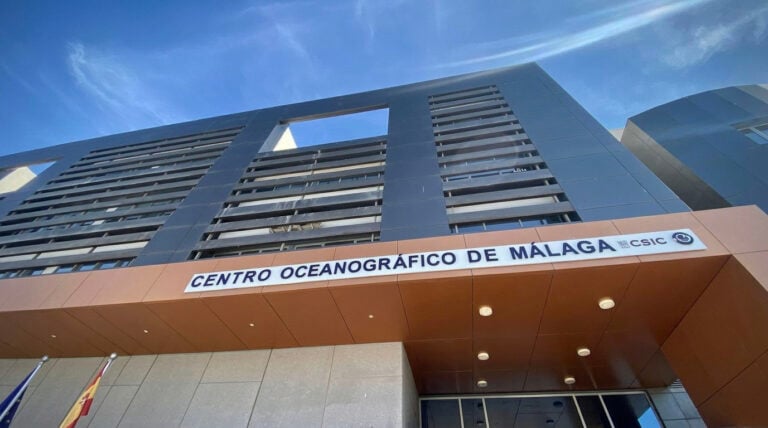
From geological sampling to Marine Research: Geofactory’s new developments
With established experience in designing and manufacturing geological sampling and sample preparation equipment for industries such as Oil & Gas, Mining and Geotechnics, Geofactory is now expanding its expertise into Marine Research and Oceanographic Research.
This new development began with a collaboration with the Málaga Oceanographic Centre, which selected Geofactory to design and manufacture custom-made equipment for marine sediment core preparation, including a Sediment Core Splitter.
Working closely with the researchers at the Málaga Oceanographic Centre, Geofactory is supporting their scientific activities by developing equipment adapted to their specific sampling and analytical requirements. This collaboration represents a new engineering challenge, particularly when working with very soft and highly unconsolidated sedimentary formations. Unlike conventional rock samples, these materials require specific handling and preparation methods to preserve their original structure and ensure that subsequent geological, geochemical and biological analyses can be performed under appropriate conditions.
The Sediment Core Splitter has been developed to facilitate the longitudinal splitting of soft sediment cores, providing controlled access to sedimentary layers while helping preserve their integrity. Designed for use in oceanographic laboratories and onboard research vessels, the equipment allows a single operator to carry out the splitting operation independently.
Alongside this development, Geofactory has introduced complementary solutions for sediment core handling, subsampling and preservation. The Sediment Subsampling Stand provides stable support for collecting samples at selected intervals, while the Core Wrapping Stand facilitates the application of protective bags along the length of a sediment core. The Core Roller Support completes the range by assisting with core positioning and manipulation during laboratory operations.
Together, these developments represent a new area of specialization for Geofactory, combining custom equipment design, stainless steel manufacturing and geological sample preparation.
By extending its engineering capabilities into marine geology and oceanographic research, Geofactory continues to strengthen its presence across the geological sector, developing practical equipment in close collaboration with researchers and adapted to the evolving requirements of scientific research. YouTube channel